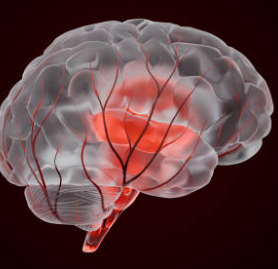
Aneurysm Symptoms: Warning Signs You Should Know
An aneurysm is a serious medical condition that can develop silently for years without causing noticeable symptoms. It occurs when a weakened area in the wall of a blood vessel becomes enlarged or bulges outward. While some aneurysms remain stable and never cause major problems, others can become dangerous if they grow larger or rupture.
Understanding aneurysm symptoms and warning signs is important because early detection can sometimes prevent life-threatening complications. The symptoms depend on where the aneurysm develops, how large it becomes, and whether it begins leaking or ruptures.
In this article, we’ll explain what an aneurysm is, the different types, possible warning signs, risk factors, and when urgent medical attention is needed.
What Is an Aneurysm?
An aneurysm is an abnormal widening or ballooning of a blood vessel caused by weakness in the vessel wall.
Arteries carry blood away from the heart under pressure. Over time, certain factors can weaken artery walls, causing a section of the vessel to stretch and expand.
Aneurysms can occur in different parts of the body, including:
- The brain
- The aorta (the body’s largest artery)
- The abdomen
- The chest
- Other blood vessels
Some aneurysms are discovered accidentally during imaging tests performed for other reasons because they may not cause symptoms.
Why Are Aneurysms Dangerous?
Many aneurysms do not cause problems, especially when they are small. However, they can become dangerous if:
- They continue growing
- They press on nearby tissues
- A blood clot forms inside them
- They rupture and cause internal bleeding
A ruptured aneurysm is a medical emergency because it can lead to severe blood loss and other life-threatening complications.
Common Types of Aneurysms
1. Brain Aneurysm
A brain aneurysm develops in a blood vessel in or around the brain.
Small brain aneurysms may cause no symptoms, but a rupture can result in a serious condition known as bleeding around the brain.
2. Aortic Aneurysm
The aorta is the main artery that carries blood from the heart.
Aortic aneurysms are generally divided into:
- Abdominal aortic aneurysms (in the abdomen)
- Thoracic aortic aneurysms (in the chest)
3. Peripheral Aneurysm
These occur in arteries outside the heart and brain, such as blood vessels in the legs.
Aneurysm Symptoms You Should Know
Symptoms vary depending on the location of the aneurysm. Some warning signs may be subtle, while others require immediate emergency care.
1. Sudden, Severe Headache
A sudden and extremely intense headache is one of the most recognized warning signs of a ruptured brain aneurysm.
People often describe it as:
- The worst headache they have ever experienced
- A sudden “thunderclap” headache
- A headache that appears without warning
This type of headache requires immediate medical attention.
2. Neck Pain or Stiffness
A ruptured brain aneurysm may irritate tissues around the brain, causing:
- Neck stiffness
- Neck pain
- Difficulty moving the neck comfortably
When combined with a sudden severe headache, this symptom can be especially concerning.
3. Vision Changes
A brain aneurysm may affect nearby nerves involved in vision.
Possible symptoms include:
- Blurred vision
- Double vision
- Loss of vision
- Drooping eyelid
New or sudden vision changes should always be evaluated.
4. Pain Behind the Eye
Some brain aneurysms can press against nerves near the eyes.
This may cause:
- Pain around or behind one eye
- Changes in pupil size
- Eye movement problems
Persistent or unusual eye pain requires medical evaluation.
5. Nausea and Vomiting
Severe headache caused by a ruptured aneurysm may be accompanied by:
- Nausea
- Vomiting
- Feeling extremely unwell
These symptoms may occur because bleeding or pressure affects the brain.
6. Weakness or Numbness on One Side of the Body
Aneurysms affecting brain blood vessels may interfere with normal brain function.
Warning signs include:
- Weakness in the face, arm, or leg
- Numbness on one side
- Difficulty speaking
These symptoms can resemble a stroke and require urgent medical care.
7. Confusion or Loss of Consciousness
A ruptured aneurysm can affect brain function.
Possible symptoms include:
- Confusion
- Difficulty staying awake
- Fainting
- Loss of consciousness
These signs should be treated as an emergency.
8. Abdominal or Back Pain
Abdominal aortic aneurysms may cause symptoms such as:
- Deep abdominal discomfort
- Pain in the back
- A feeling of pressure or fullness in the abdomen
Sometimes an abdominal aneurysm causes no symptoms until it becomes serious.
9. A Pulsating Feeling in the Abdomen
Some people with abdominal aortic aneurysms notice:
- A pulsing sensation in the stomach area
- A feeling of movement in the abdomen
Not every abdominal pulse indicates an aneurysm, but unusual sensations should be discussed with a healthcare professional.
10. Chest Pain or Upper Back Pain
A thoracic aortic aneurysm may cause discomfort in the chest or upper back.
Possible symptoms include:
- Chest pressure
- Deep aching pain
- Back discomfort
- Difficulty swallowing
Sudden severe chest or back pain may indicate an emergency.
Signs of a Ruptured Aneurysm
A ruptured aneurysm is a medical emergency.
Seek emergency help immediately for symptoms such as:
- Sudden severe pain
- Collapse or fainting
- Rapid heartbeat
- Difficulty breathing
- Severe weakness
- Loss of consciousness
- Sudden neurological changes
Quick medical treatment is critical.
Risk Factors That May Increase Aneurysm Risk
Several factors can weaken blood vessel walls and increase the likelihood of aneurysm development.
High Blood Pressure
Long-term high blood pressure puts extra stress on artery walls.
Smoking
Smoking is a major risk factor because it can damage blood vessels and contribute to artery weakening.
Age
The risk of certain aneurysms increases with age.
Family History
People with close relatives who have had aneurysms may have a higher risk.
High Cholesterol
Cholesterol buildup can contribute to artery damage.
Certain Medical Conditions
Some inherited or connective tissue disorders can increase aneurysm risk.
Can Aneurysms Be Prevented?
Not all aneurysms can be prevented, but healthy habits may reduce risk.
Helpful steps include:
Control Blood Pressure
Regular blood pressure checks and appropriate treatment can protect blood vessels.
Avoid Smoking
Quitting smoking is one of the most important steps for vascular health.
Maintain a Healthy Diet
A balanced diet rich in:
- Vegetables
- Fruits
- Whole grains
- Lean proteins
supports cardiovascular health.
Exercise Regularly
Moderate physical activity helps maintain healthy blood pressure and circulation.
Attend Medical Checkups
People with risk factors may benefit from regular health monitoring.
How Are Aneurysms Diagnosed?
Doctors may use imaging tests to identify aneurysms, including:
- Ultrasound
- CT scans
- MRI scans
- Angiography
The choice of test depends on the suspected location and situation.
Some aneurysms are monitored over time to track changes in size.
Treatment Options for Aneurysms
Treatment depends on:
- Location
- Size
- Growth rate
- Overall health
- Risk of rupture
Possible approaches include:
Monitoring
Small aneurysms may only require regular imaging and medical follow-up.
Medication
Doctors may recommend medicines to help control factors such as blood pressure.
Surgery or Procedures
Larger or high-risk aneurysms may require repair through surgical or minimally invasive techniques.
Frequently Asked Questions
Can an aneurysm exist without symptoms?
Yes. Many aneurysms remain silent and are discovered during medical tests for other reasons.
Is every aneurysm dangerous?
No. Some aneurysms remain stable, but monitoring is important because risks can change over time.
Can stress cause an aneurysm?
Stress alone does not usually cause aneurysms, but factors such as uncontrolled blood pressure can affect blood vessel health.
Who should be screened for aneurysms?
Screening recommendations depend on age, family history, smoking history, and other risk factors.
Can lifestyle changes reduce aneurysm risk?
Healthy habits can improve blood vessel health and reduce some risk factors.
Final Thoughts
Aneurysms can develop quietly, making awareness of warning signs extremely important. Symptoms such as a sudden severe headache, neurological changes, unexplained chest or abdominal pain, and sudden collapse should never be ignored.
While many aneurysms do not cause symptoms, early detection and proper medical monitoring can help reduce the risk of serious complications.
If you experience possible warning signs or have risk factors such as high blood pressure, smoking history, or a family history of aneurysms, speak with a healthcare professional for personalized advice and appropriate screening.