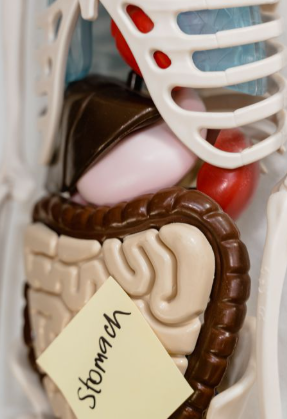
Colon Health: 10 Healthy Habits for Better Digestion
Your digestive system plays a vital role in keeping your body healthy, and the colon is one of its most important parts. The colon, also known as the large intestine, helps absorb water, process waste, and maintain a balanced environment of beneficial bacteria that support overall wellness.
Many people do not think about their colon health until they experience digestive discomfort such as constipation, bloating, irregular bowel movements, or abdominal discomfort. However, taking care of your colon through daily habits can support better digestion and long-term health.
A healthy colon depends on several lifestyle factors, including diet, hydration, physical activity, stress management, and regular medical care. Small changes made consistently can have a meaningful impact on digestive function.
In this article, we will explore 10 healthy habits for better digestion and improved colon health, along with practical tips you can incorporate into your daily routine.
Why Colon Health Matters
The colon is responsible for several important functions in the body. After food is digested and nutrients are absorbed in the small intestine, the remaining material moves into the colon.
The colon helps:
- Remove waste from the body
- Absorb water and electrolytes
- Support healthy bowel movements
- Maintain beneficial gut bacteria
- Contribute to overall digestive balance
A poorly functioning digestive system can affect comfort, energy levels, and quality of life. Supporting colon health is an important part of maintaining overall wellness.
1. Eat More Fiber-Rich Foods
One of the most important habits for a healthy colon is eating enough dietary fiber.
Fiber adds bulk to stool and helps food move through the digestive tract more efficiently. A high-fiber diet may help prevent constipation and support regular bowel movements.
Good sources of fiber include:
- Fruits such as apples, berries, and pears
- Vegetables like broccoli, carrots, and leafy greens
- Whole grains
- Beans and lentils
- Nuts and seeds
There are two main types of dietary fiber:
Soluble Fiber
Soluble fiber absorbs water and forms a gel-like substance during digestion. It can support healthy cholesterol levels and help regulate digestion.
Insoluble Fiber
Insoluble fiber adds bulk to stool and helps waste move through the digestive system.
A combination of both types of fiber is beneficial for overall digestive health.
2. Drink Enough Water Every Day
Hydration is essential for proper digestion and colon function.
The colon absorbs water from digested food. When the body does not receive enough fluids, stools can become harder and more difficult to pass.
Drinking adequate water may help:
- Prevent constipation
- Keep stools softer
- Support normal digestive processes
- Maintain overall body function
Your hydration needs depend on factors such as activity level, climate, diet, and overall health. A simple way to stay hydrated is to drink water regularly throughout the day rather than waiting until you feel thirsty.
3. Stay Physically Active
Regular exercise benefits more than just your muscles and heart—it also supports your digestive system.
Physical activity can encourage normal movement in the intestines and may help reduce constipation.
Activities that support digestive health include:
- Walking
- Cycling
- Swimming
- Yoga
- Strength training
Even moderate daily movement can make a difference. A short walk after meals may help promote digestion and reduce feelings of heaviness.
4. Maintain a Healthy Gut Microbiome
The colon contains trillions of microorganisms, often called the gut microbiome. These bacteria and other organisms play an important role in digestion and overall health.
Supporting beneficial gut bacteria may involve eating foods that contain probiotics and prebiotics.
Probiotic Foods
These contain helpful bacteria and may include:
- Yogurt with live cultures
- Kefir
- Fermented vegetables
Prebiotic Foods
These provide fuel for beneficial bacteria and include:
- Garlic
- Onions
- Bananas
- Oats
- Legumes
A diverse diet with many plant-based foods can help support a balanced gut environment.
5. Avoid Excessive Processed Foods
Highly processed foods are often low in fiber and may contain high amounts of added sugars, unhealthy fats, and sodium.
Eating too many processed foods may contribute to digestive issues because they provide fewer nutrients needed for healthy bowel function.
Try limiting:
- Processed snacks
- Sugary drinks
- Excessive fast food
- Refined carbohydrates
Instead, focus on whole foods that provide fiber, vitamins, minerals, and beneficial plant compounds.
6. Do Not Ignore the Urge to Use the Bathroom
Ignoring the need to have a bowel movement regularly can affect normal bowel habits.
When stool remains in the colon for too long, more water may be absorbed, making it harder and more difficult to pass.
Healthy bathroom habits include:
- Going when you feel the urge
- Allowing enough time without rushing
- Maintaining a regular routine
Everyone’s bowel habits are different. Some people naturally have bowel movements several times per day, while others may go less frequently. The important factor is maintaining a comfortable and consistent pattern.
7. Manage Stress Levels
Stress and digestion are closely connected. The brain and digestive system communicate through what is often called the gut-brain connection.
High stress levels may contribute to digestive symptoms such as:
- Stomach discomfort
- Changes in bowel habits
- Bloating
- Increased sensitivity
Stress management techniques that may support digestive health include:
- Deep breathing exercises
- Meditation
- Regular physical activity
- Spending time outdoors
- Getting enough sleep
Taking care of mental well-being is an important part of maintaining a healthy digestive system.
8. Limit Smoking and Excessive Alcohol Consumption
Lifestyle choices can influence digestive health. Smoking and heavy alcohol consumption may negatively affect many areas of the body, including the digestive system.
Avoiding tobacco and limiting alcohol intake can support overall health and may reduce the risk of several health problems.
If quitting smoking feels difficult, professional support programs and healthcare providers can provide guidance and resources.
9. Maintain a Healthy Weight
Maintaining a healthy weight can support better digestion and overall wellness.
Excess body weight may be associated with increased risk of several health conditions. A balanced approach that includes nutritious food, regular movement, and sustainable habits is generally more effective than extreme diets.
Healthy weight management focuses on:
- Eating balanced meals
- Including enough fiber
- Staying physically active
- Getting proper sleep
- Managing stress
10. Get Regular Health Screenings
Taking preventive steps is an important part of colon health.
Regular medical checkups and recommended screenings can help identify potential problems early.
Screening recommendations vary depending on factors such as:
- Age
- Family history
- Personal health history
- Individual risk factors
Healthcare professionals can provide guidance about appropriate screening schedules.
Foods That Support Colon Health
A colon-friendly diet often includes a variety of nutrient-rich foods.
Examples include:
Fruits
Fruits provide fiber, vitamins, minerals, and natural plant compounds.
Vegetables
Vegetables are excellent sources of fiber and antioxidants.
Whole Grains
Foods such as oats, brown rice, and whole wheat products provide important nutrients and fiber.
Legumes
Beans, lentils, and chickpeas are rich in fiber and plant-based protein.
Nuts and Seeds
These provide fiber and healthy fats that support a balanced diet.
Signs You Should Talk to a Healthcare Professional
While occasional digestive discomfort is common, certain symptoms should be evaluated by a medical professional.
Seek medical advice if you experience:
- Persistent changes in bowel habits
- Blood in stool
- Unexplained weight loss
- Ongoing abdominal pain
- Long-lasting constipation or diarrhea
- Significant changes from your normal digestion pattern
Early medical attention can help identify the cause and provide appropriate care.
Final Thoughts
Maintaining good colon health starts with simple daily habits. Eating enough fiber, drinking plenty of water, staying active, managing stress, and choosing nutritious foods can all support better digestion.
Your digestive system responds to the choices you make every day. By building healthy routines and paying attention to changes in your body, you can support a healthier colon and improve your overall well-being.
Remember that everyone’s digestive system is different. If you have ongoing digestive concerns or risk factors for colon-related conditions, consult a qualified healthcare professional for personalized advice.
Disclaimer: This article is for educational purposes only and is not intended to replace professional medical advice, diagnosis, or treatment.