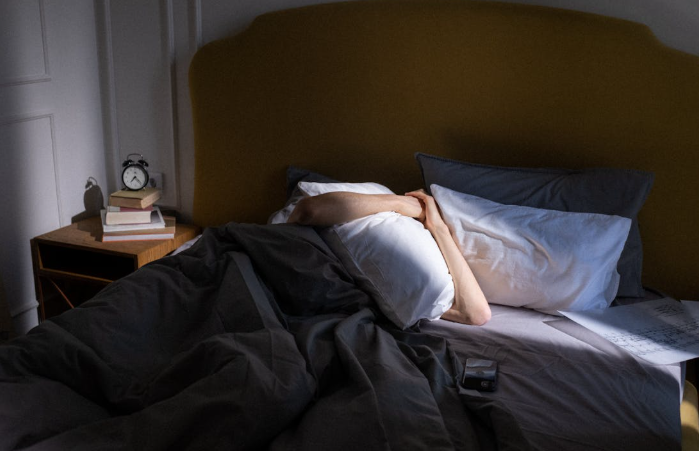
5 Nighttime Signs of Diabetes You Should Know About
Diabetes is a common health condition that affects how the body manages blood sugar (glucose). While many people associate diabetes symptoms with daytime issues such as increased thirst or fatigue, some warning signs can become more noticeable during the night.
Nighttime symptoms may be easy to overlook because they can appear as sleep problems, bathroom trips, or general discomfort. However, paying attention to unusual changes during the night may help identify possible blood sugar problems earlier.
Understanding these signs does not mean that every nighttime symptom is caused by diabetes. Many conditions can produce similar symptoms. However, if these signs occur regularly, especially together, it may be worth discussing them with a healthcare professional.
In this article, we’ll explore five nighttime signs of diabetes, why they may happen, and what steps can support better blood sugar management.
Understanding Diabetes and Blood Sugar Control
Diabetes occurs when the body cannot properly regulate blood glucose levels.
This may happen because:
- The body does not produce enough insulin
- The body does not respond effectively to insulin
- Blood sugar regulation becomes impaired over time
Insulin is a hormone that helps move glucose from the bloodstream into cells, where it can be used for energy.
When blood sugar remains too high, it can affect many systems in the body, including the kidneys, nerves, blood vessels, and eyes.
1. Frequent Urination During the Night
One of the most common nighttime signs associated with diabetes is waking up often to urinate.
This condition is called nocturia.
Why It May Happen
When blood glucose levels are elevated, the kidneys work harder to remove excess sugar from the blood.
Extra glucose can pull more water into the urine, increasing urine production.
As a result, some people may experience:
- Waking up multiple times during the night
- Increased nighttime bathroom trips
- Disrupted sleep
When It May Be a Concern
Occasional nighttime urination can happen for many reasons, including drinking fluids before bed or certain medications.
However, frequent nighttime urination combined with other symptoms, such as increased thirst or unexplained weight changes, may require medical evaluation.
2. Excessive Thirst at Night
Feeling unusually thirsty during the night can be another possible sign of elevated blood sugar.
Some people may wake up with:
- A very dry mouth
- Strong thirst
- A need to drink water repeatedly
Why It Happens
Frequent urination can cause the body to lose more fluids. As the body becomes dehydrated, it sends signals that create increased thirst.
This can create a cycle:
- High blood sugar increases urine production.
- Increased urination causes fluid loss.
- Fluid loss triggers thirst.
What to Watch For
Persistent nighttime thirst that is unusual for you should be discussed with a healthcare professional, especially if it occurs with frequent urination.
3. Night Sweats and Blood Sugar Changes
Some people with diabetes experience sweating during the night, particularly when blood sugar drops too low.
This condition is known as hypoglycemia.
Possible Symptoms of Low Blood Sugar During Sleep
Signs may include:
- Night sweats
- Damp clothing or bedding
- Restlessness
- Nightmares
- Waking up feeling confused or tired
Why It Happens
Low blood sugar can trigger the body’s stress response. Hormones such as adrenaline may be released, causing sweating, a faster heartbeat, and feelings of anxiety.
Important Note
Night sweats have many possible causes, including infections, hormonal changes, medications, and other medical conditions. They are not automatically a sign of diabetes.
4. Trouble Sleeping or Waking Up Frequently
Sleep disturbances are common among people with diabetes.
Blood sugar fluctuations may contribute to difficulty staying asleep.
Possible reasons include:
- Frequent urination
- Thirst
- Blood sugar changes
- Nerve discomfort
- Stress related to managing health conditions
How Diabetes May Affect Sleep
High blood sugar can cause discomfort that interrupts sleep, while low blood sugar during the night may trigger symptoms that wake a person.
Poor sleep can also make blood sugar management more difficult because sleep affects hormones involved in appetite, stress, and metabolism.
Signs to Notice
Pay attention to:
- Regular nighttime awakenings
- Difficulty falling back asleep
- Feeling tired despite adequate time in bed
5. Tingling, Burning, or Numbness in the Feet
A sensation of tingling, burning, or numbness in the feet may become more noticeable at night.
This can be associated with diabetic peripheral neuropathy, a type of nerve damage that may occur with long-term high blood sugar.
Common Symptoms
People may experience:
- Pins-and-needles sensations
- Burning discomfort
- Reduced feeling in the feet
- Sensitivity to touch
- Pain that worsens at night
Why It May Happen
High blood sugar over time can damage small blood vessels that supply nerves, affecting how nerves send signals.
Early recognition and proper diabetes management may help reduce the risk of complications.
Other Possible Diabetes Warning Signs
Although nighttime symptoms can provide clues, diabetes may also cause daytime symptoms such as:
- Increased hunger
- Unexplained weight loss
- Blurred vision
- Slow-healing cuts or wounds
- Frequent infections
- Persistent fatigue
Some people, especially in early stages, may have few noticeable symptoms.
Who Is at Higher Risk of Developing Diabetes?
Certain factors can increase the likelihood of developing diabetes.
Risk factors include:
- Family history of diabetes
- Being overweight or having obesity
- Physical inactivity
- High blood pressure
- Abnormal cholesterol levels
- History of gestational diabetes
- Increasing age
Having risk factors does not mean someone will definitely develop diabetes, but it may make regular health screenings more important.
How Diabetes Is Diagnosed
A healthcare professional can diagnose diabetes through blood tests.
Common tests include:
Fasting Blood Glucose Test
Measures blood sugar after not eating for a specific period.
A1C Test
Shows average blood sugar levels over approximately the previous two to three months.
Glucose Tolerance Test
Measures how the body responds after consuming a glucose-containing drink.
Testing is the only reliable way to confirm whether someone has diabetes.
Tips for Better Blood Sugar Management at Night
For people with diabetes, maintaining stable blood sugar overnight can improve sleep quality and overall health.
Helpful strategies may include:
Follow a Balanced Eating Pattern
Choose meals that include:
- Fiber-rich carbohydrates
- Lean proteins
- Healthy fats
- Vegetables
Balanced meals can help prevent large blood sugar swings.
Monitor Blood Sugar as Recommended
Regular monitoring can help identify patterns, including nighttime highs or lows.
Stay Active
Regular physical activity supports insulin sensitivity and overall metabolic health.
Follow Medication Instructions
Take diabetes medications exactly as prescribed.
Never adjust medication doses without discussing changes with a healthcare professional.
Maintain Healthy Sleep Habits
Good sleep routines can support better blood sugar regulation.
Helpful habits include:
- Keeping a consistent bedtime
- Limiting screen time before sleep
- Creating a comfortable sleep environment
When to Speak With a Healthcare Professional
Consider seeking medical advice if you regularly experience:
- Frequent nighttime urination
- Excessive thirst
- Unexplained night sweats
- Persistent sleep disruption
- Tingling or numbness in your feet
A simple blood sugar test can help determine whether diabetes or another health issue may be involved.
Frequently Asked Questions
Can diabetes symptoms appear only at night?
Some symptoms may become more noticeable at night, but diabetes can affect the body throughout the day.
Does waking up to urinate always mean diabetes?
No. Nighttime urination can have many causes, including fluid intake, medications, bladder conditions, and aging.
Are night sweats a definite sign of diabetes?
No. Night sweats have many possible causes. They may be related to blood sugar changes in some people but require proper evaluation.
Can diabetes be controlled?
Yes. Many people manage diabetes successfully through lifestyle changes, medications, regular monitoring, and medical support.
Can early diabetes have no symptoms?
Yes. Some people with diabetes or prediabetes may have mild symptoms or no noticeable symptoms at all.
Final Thoughts
Nighttime symptoms such as frequent urination, excessive thirst, sweating, disrupted sleep, and unusual sensations in the feet can sometimes provide clues about blood sugar problems.
However, these signs are not always caused by diabetes. Many other health conditions can produce similar symptoms, which is why proper testing and medical guidance are important.
Recognizing changes in your body and discussing concerns early can help identify diabetes sooner and support better long-term health. If you notice persistent nighttime symptoms or have diabetes risk factors, consider speaking with a healthcare professional for appropriate evaluation.