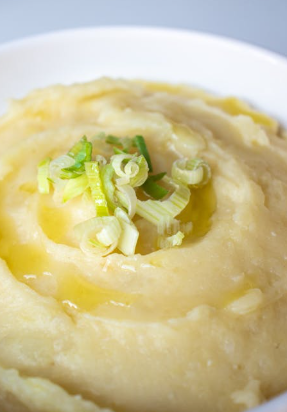
A Chef’s Secret Ingredient for Extra Creamy Mashed Potatoes
Few comfort foods are as universally loved as mashed potatoes. Whether served alongside a holiday feast, a weeknight roast, or a special family dinner, creamy mashed potatoes have a way of bringing warmth and satisfaction to any table. Yet achieving that perfectly smooth, rich, and velvety texture can sometimes feel like a challenge.
While many home cooks rely on butter, milk, or cream to create fluffy mashed potatoes, professional chefs often have a secret ingredient that takes this classic side dish to the next level: cream cheese.
Cream cheese adds richness, a silky texture, and a subtle tang that enhances the natural flavor of potatoes without overpowering them. This simple addition can transform ordinary mashed potatoes into a restaurant-quality side dish that guests will remember.
In this article, you’ll discover why cream cheese works so well, how to use it correctly, tips for achieving perfect mashed potatoes every time, and a delicious recipe you can make at home.
Why Creamy Mashed Potatoes Are So Popular
Mashed potatoes have been a staple comfort food for generations. Their appeal lies in their simplicity and versatility. They pair beautifully with countless main dishes, from roasted chicken and turkey to beef, pork, and vegetable-based meals.
Perfect mashed potatoes should be:
- Smooth and creamy
- Rich but not greasy
- Light and fluffy
- Full of natural potato flavor
- Free from lumps
Achieving this balance requires more than simply boiling and mashing potatoes. The ingredients and techniques you choose can dramatically affect the final result.
The Secret Ingredient: Cream Cheese
Many professional chefs and home cooks swear by cream cheese for creating extra creamy mashed potatoes.
Unlike milk alone, cream cheese contributes both richness and body. It melts smoothly into hot potatoes, creating a luxurious texture that feels indulgent without requiring excessive amounts of butter or heavy cream.
Benefits of Adding Cream Cheese
1. Ultra-Creamy Texture
Cream cheese blends seamlessly into mashed potatoes, creating a smooth consistency that feels velvety with every bite.
2. Rich Flavor
The mild richness of cream cheese enhances the natural sweetness of potatoes while adding depth and complexity.
3. Slight Tanginess
A subtle tang helps balance the richness of butter and cream, preventing the dish from tasting overly heavy.
4. Better Reheating
Mashed potatoes made with cream cheese often maintain their creamy texture better when reheated, making them ideal for meal prep or holiday gatherings.
5. Easy to Use
Most households already keep cream cheese in the refrigerator, making it a convenient ingredient for upgrading a classic recipe.
Choosing the Right Potatoes
Even the best secret ingredient cannot compensate for the wrong type of potato.
Russet Potatoes
Russet potatoes are often considered the gold standard for mashed potatoes because they contain a high starch content.
Benefits include:
- Fluffy texture
- Easy mashing
- Excellent absorption of butter and dairy
Yukon Gold Potatoes
Yukon Gold potatoes are another excellent choice.
Advantages include:
- Naturally buttery flavor
- Creamy consistency
- Smooth texture
Best Option
Many chefs combine Russet and Yukon Gold potatoes to achieve the perfect balance of fluffiness and creaminess.
Ingredients for Extra Creamy Mashed Potatoes
This recipe serves approximately six people.
Ingredients
- 2 pounds potatoes (Russet, Yukon Gold, or a combination)
- 4 ounces softened cream cheese
- 4 tablespoons unsalted butter
- ½ cup warm milk
- Salt to taste
- Freshly ground black pepper to taste
Optional additions:
- Roasted garlic
- Chopped chives
- Sour cream
- Parmesan cheese
- Fresh herbs
Step-by-Step Recipe
Step 1: Prepare the Potatoes
Wash, peel, and cut the potatoes into evenly sized chunks.
Uniform pieces ensure even cooking and prevent some pieces from becoming overcooked while others remain firm.
Step 2: Boil Until Tender
Place potatoes in a large pot and cover with cold water.
Add a generous pinch of salt.
Bring the water to a boil and cook until the potatoes are fork-tender, usually about 15 to 20 minutes.
Step 3: Drain Thoroughly
Drain the potatoes completely.
Excess water can dilute flavor and create watery mashed potatoes.
For even better results, return the drained potatoes to the warm pot for one or two minutes. This helps remove excess moisture.
Step 4: Mash the Potatoes
Use a potato masher, potato ricer, or food mill.
Avoid using a food processor or blender, as overprocessing can create a gluey texture.
Step 5: Add the Secret Ingredient
While the potatoes are still hot, add:
- Cream cheese
- Butter
Stir until fully melted and incorporated.
Step 6: Add Warm Milk
Gradually pour in warm milk while stirring.
Adding warm dairy helps maintain the potatoes’ temperature and promotes smoother blending.
Step 7: Season and Serve
Taste and adjust seasoning with salt and black pepper.
Serve immediately while hot and creamy.
Common Mistakes That Ruin Mashed Potatoes
Even simple recipes can go wrong if certain mistakes are made.
Using the Wrong Potato Variety
Low-starch potatoes often produce dense or gummy mashed potatoes.
Stick with Russets or Yukon Golds for the best results.
Starting with Hot Water
Always start potatoes in cold water.
This allows them to cook evenly from the inside out.
Overmixing
Overworking potatoes releases excess starch.
The result can be sticky, glue-like mashed potatoes.
Mash only until smooth.
Adding Cold Ingredients
Cold butter, milk, or cream cheese can cool the potatoes and prevent proper blending.
Use softened or warmed ingredients whenever possible.
Undersalting
Potatoes absorb significant amounts of seasoning.
Taste frequently and adjust salt levels as needed.
Variations to Try
Once you’ve mastered the basic recipe, consider experimenting with different flavors.
Garlic Cream Cheese Mashed Potatoes
Mix in roasted garlic for a rich and savory upgrade.
Herb Mashed Potatoes
Fresh herbs such as parsley, rosemary, thyme, or chives add brightness and aroma.
Cheddar Mashed Potatoes
Sharp cheddar cheese provides extra richness and a bold flavor profile.
Parmesan Mashed Potatoes
Parmesan introduces a nutty, savory element that pairs wonderfully with roasted meats.
Bacon Mashed Potatoes
Crispy bacon pieces add texture and smoky flavor.
How to Make Mashed Potatoes Ahead of Time
Mashed potatoes are a popular holiday side dish because they can be prepared in advance.
Refrigerator Storage
Store cooled mashed potatoes in an airtight container.
They will typically stay fresh for up to three days.
Reheating Tips
Reheat gently on the stovetop or in the oven.
Add a splash of milk if needed to restore creaminess.
The cream cheese helps maintain a smooth texture during reheating.
Serving Suggestions
Extra creamy mashed potatoes complement a wide variety of meals.
Popular pairings include:
- Roast chicken
- Turkey dinners
- Beef roast
- Meatloaf
- Pork chops
- Grilled steak
- Vegetable casseroles
- Mushroom-based dishes
They also work beautifully as part of holiday menus for Thanksgiving, Christmas, Easter, and family celebrations.
Nutritional Benefits of Potatoes
Potatoes are often underestimated nutritionally.
They naturally provide:
- Vitamin C
- Potassium
- Vitamin B6
- Fiber (especially when skins are included)
- Complex carbohydrates
When enjoyed as part of a balanced diet, potatoes can be both satisfying and nutritious.
Frequently Asked Questions
Can I use low-fat cream cheese?
Yes. Low-fat cream cheese can work well, although the final texture may be slightly less rich.
Can I freeze mashed potatoes?
Yes. Cream cheese helps improve freezer stability compared to some traditional recipes.
Store in airtight freezer-safe containers for up to two months.
How much cream cheese should I use?
A good starting point is 4 ounces of cream cheese for every 2 pounds of potatoes.
You can adjust based on personal preference.
Can I use heavy cream instead of milk?
Absolutely. Heavy cream creates an even richer texture, though it also increases the calorie content.
Why are my mashed potatoes gummy?
Overmixing is usually the culprit. Excessive stirring releases starches that create a sticky consistency.
Final Thoughts
If you’ve been searching for a simple way to elevate your mashed potatoes, cream cheese may be the chef-inspired secret you’ve been missing. This versatile ingredient adds exceptional creaminess, rich flavor, and a subtle tang that enhances every bite.
Combined with the right potatoes, proper cooking techniques, and careful seasoning, cream cheese can help you create mashed potatoes that are smooth, luxurious, and worthy of any special occasion.
The next time mashed potatoes are on the menu, try this simple upgrade and discover why so many chefs consider cream cheese their secret weapon for achieving the ultimate creamy texture.