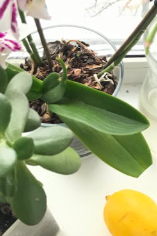
1 Spoon on Orchid Roots: A Simple Trick to Help Revive Your Orchid
Orchids are among the most beautiful and rewarding houseplants, admired for their elegant blooms and exotic appearance. However, many orchid owners struggle when their plants begin to show signs of stress. Yellowing leaves, weak roots, and a lack of flowers can leave gardeners wondering if their beloved orchid can be saved.
Fortunately, there are several natural methods that may help support orchid health, and one simple technique has gained attention among plant enthusiasts: applying a spoonful of a natural nutrient-rich ingredient around orchid roots. When combined with proper care, this gentle approach can contribute to healthier growth and stronger root systems.
In this guide, we’ll explore how orchids grow, why root health matters, and how a simple spoonful of natural nutrients can help encourage recovery. We’ll also cover additional orchid care tips to help your plant thrive year-round.
Understanding Orchid Root Health
Before trying any orchid care technique, it’s important to understand the role roots play in the plant’s survival.
Unlike many houseplants, orchids have specialized aerial roots that absorb moisture and nutrients from the surrounding environment. These roots are covered with a spongy tissue called velamen, which helps collect water efficiently.
Healthy orchid roots are typically:
- Firm and plump
- Green when moist
- Silvery-gray when dry
- Free from mushy or dark spots
When roots become damaged, the orchid may struggle to absorb water and nutrients, leading to:
- Drooping leaves
- Slow growth
- Failure to bloom
- Root rot
- Plant decline
Supporting root health is one of the most effective ways to revive a struggling orchid.
The “One Spoon” Orchid Revival Method
Many home gardeners use a small spoonful of organic cinnamon powder around orchid roots as part of their plant care routine.
Cinnamon has long been valued in gardening because of its natural properties. While it is not a fertilizer, it may help create a cleaner environment around damaged roots and cut areas.
Why Cinnamon Is Popular Among Orchid Growers
Cinnamon is commonly used because it may:
- Help keep cut root surfaces dry
- Support healthier recovery after pruning
- Reduce moisture accumulation on damaged tissue
- Be easy and inexpensive to use
Many orchid enthusiasts sprinkle a small amount of cinnamon on freshly trimmed roots or wounds after removing unhealthy sections.
How to Apply Cinnamon Safely
If you want to try this method, moderation is essential.
Step 1: Inspect the Orchid
Remove the orchid carefully from its pot.
Examine the roots and identify any that are:
- Brown
- Mushy
- Hollow
- Rotten
Healthy roots should remain intact.
Step 2: Trim Damaged Roots
Using sterilized scissors or pruning shears, remove only the unhealthy roots.
Avoid cutting healthy green roots.
Step 3: Apply One Spoon of Cinnamon
Take approximately one teaspoon (about one spoonful) of ground cinnamon.
Lightly dust the cut areas and damaged sections.
Do not completely coat all roots.
Excessive cinnamon can dry roots too much, which may interfere with normal moisture absorption.
Step 4: Repot the Orchid
Place the orchid into fresh orchid bark or an appropriate orchid potting mix.
Ensure the pot provides excellent drainage and airflow.
Step 5: Resume Proper Care
Water only when the growing medium begins to dry.
Avoid overwatering while the orchid recovers.
Other Natural Ingredients Often Used for Orchid Care
While cinnamon is commonly used around damaged roots, other natural ingredients may help support overall orchid health when used correctly.
Banana Peel Water
Banana peels contain nutrients such as:
- Potassium
- Phosphorus
- Magnesium
Some gardeners soak banana peels in water for several days and use the diluted solution occasionally as a supplemental plant tonic.
Rice Water
Unsalted rice water contains trace minerals and starches.
Some orchid growers use diluted rice water occasionally to support beneficial microbial activity in potting media.
Eggshell Powder
Crushed eggshells provide calcium, an important nutrient for many plants.
However, orchids typically require balanced orchid fertilizers for consistent nutrition.
Compost Tea
Properly prepared compost tea can introduce beneficial microorganisms and nutrients.
Use only well-made compost products and avoid overapplication.
Common Reasons Orchids Struggle
A spoonful of any natural ingredient cannot solve every orchid problem. Understanding the underlying issue is critical for successful recovery.
Overwatering
Overwatering remains the leading cause of orchid decline.
Signs include:
- Yellow leaves
- Soft roots
- Mold growth
- Foul odors
Orchids prefer drying slightly between watering sessions.
Poor Drainage
Using ordinary potting soil can suffocate orchid roots.
Most orchids require:
- Orchid bark
- Coconut husk
- Charcoal blends
- Specialized orchid mixes
These materials allow better airflow.
Insufficient Light
Orchids need bright, indirect light.
Too little light can cause:
- Weak growth
- Dark green leaves
- Lack of flowers
Too much direct sunlight may burn leaves.
Low Humidity
Many orchids originate from tropical regions.
Indoor environments often become too dry, especially during winter.
Ideal humidity levels generally range between 40% and 70%, depending on the orchid species.
Temperature Stress
Sudden temperature changes can shock orchids.
Most popular indoor orchids thrive in temperatures between 65°F and 80°F (18°C to 27°C).
Signs Your Orchid Is Recovering
After addressing root issues and improving care conditions, you may notice encouraging signs of recovery.
New Root Growth
Fresh green root tips are often the first indicator of improvement.
These roots help the orchid absorb more water and nutrients.
Stronger Leaves
Healthy leaves should appear:
- Firm
- Upright
- Bright green
Leaves may gradually regain strength over several weeks.
New Flower Spikes
A recovering orchid may eventually produce a flower spike.
This indicates that the plant has enough stored energy to support blooming.
Increased Growth
New leaves and roots demonstrate that the orchid is actively developing again.
Patience is important because orchids often recover slowly.
Best Practices for Long-Term Orchid Success
Whether your orchid is healthy or recovering, consistent care remains essential.
Water Correctly
Instead of following a strict schedule, monitor the potting medium.
Water when:
- The bark feels nearly dry
- Roots appear silvery-gray
- The pot feels lighter
Avoid leaving standing water around roots.
Use Orchid-Specific Fertilizer
Balanced orchid fertilizers provide nutrients that natural remedies alone cannot supply.
Many growers follow the “weakly, weekly” approach by applying diluted fertilizer regularly.
Improve Air Circulation
Good airflow helps prevent moisture-related problems.
Simple ways to improve circulation include:
- Opening windows periodically
- Using a small fan nearby
- Avoiding overcrowded plant arrangements
Repot Regularly
Orchid bark breaks down over time.
Repot every one to two years to maintain proper drainage and aeration.
Monitor for Pests
Watch for common orchid pests such as:
- Mealybugs
- Scale insects
- Spider mites
- Fungus gnats
Early detection helps prevent serious damage.
Orchid Care Myths to Avoid
Many viral gardening tips promise instant results, but orchids require realistic care expectations.
Myth 1: One Ingredient Can Fix Everything
No single household ingredient can solve all orchid problems.
Successful orchid care depends on:
- Proper watering
- Adequate light
- Healthy roots
- Balanced nutrition
- Suitable humidity
Myth 2: Orchids Need Daily Watering
Most orchids prefer periodic watering rather than constant moisture.
Overwatering is far more common than underwatering.
Myth 3: Dead-Looking Orchids Are Beyond Saving
Even orchids that have lost flowers or several roots can sometimes recover with proper care.
As long as healthy tissue remains, there may still be hope for revival.
Frequently Asked Questions
Can cinnamon replace fertilizer?
No. Cinnamon is not a complete fertilizer and does not provide all nutrients orchids need for growth.
How often should cinnamon be applied?
Generally, cinnamon is used only on freshly cut roots or damaged areas. Repeated heavy applications are unnecessary.
Will cinnamon make orchids bloom faster?
There is no guarantee that cinnamon will trigger blooming. Flower production depends on overall plant health and growing conditions.
Can all orchid species use this method?
Many orchid growers use cinnamon on various orchid types, but it should always be applied sparingly and only where appropriate.
How long does orchid recovery take?
Recovery time varies. Some orchids improve within weeks, while severely stressed plants may require several months.
Final Thoughts
The “one spoon on orchid roots” technique has become popular among gardeners because it is simple, affordable, and easy to incorporate into an orchid care routine. A light application of cinnamon on freshly trimmed roots may help support cleaner recovery conditions when dealing with damaged root systems.
However, the true secret to reviving an orchid lies in providing the right combination of care: healthy roots, proper watering, adequate light, balanced nutrition, and good airflow.
By focusing on these fundamentals and using natural remedies responsibly, you can give your orchid the best opportunity to recover, grow stronger, and reward you with beautiful blooms for years to come.