15 Silent Signs of Liver Problems You Should Know
The liver is one of the most important organs in the human body, yet many people rarely think about it until a problem develops. Responsible for hundreds of vital functions, the liver helps filter toxins, process nutrients, produce essential proteins, and support digestion. Because the liver can continue functioning even when damaged, early liver problems often go unnoticed.
This is why liver disease is sometimes called a “silent” condition. Symptoms may develop gradually and can easily be mistaken for everyday health issues. Recognizing the early warning signs can help individuals seek medical attention sooner and potentially prevent more serious complications.
In this article, we’ll explore 15 silent signs of liver problems, discuss common causes of liver disease, and explain when it’s time to consult a healthcare professional.
Why Liver Health Matters
Located in the upper right side of the abdomen, the liver performs more than 500 essential functions, including:
- Filtering harmful substances from the blood
- Producing bile for digestion
- Storing vitamins and minerals
- Regulating blood sugar levels
- Processing medications
- Supporting immune function
- Producing proteins necessary for blood clotting
When the liver becomes damaged or inflamed, these functions can be affected, leading to a variety of symptoms that may initially seem unrelated.
1. Persistent Fatigue
One of the most common early signs of liver problems is ongoing fatigue.
What It Feels Like
- Constant tiredness
- Low energy levels
- Difficulty completing routine activities
- Feeling exhausted despite adequate sleep
Fatigue can occur because liver dysfunction may affect metabolism, nutrient processing, and overall energy production.
2. Unexplained Weakness
Many people with developing liver conditions report generalized weakness.
Possible Symptoms
- Reduced physical stamina
- Muscle weakness
- Difficulty performing normal tasks
Because weakness can result from numerous health conditions, it is often overlooked as a liver-related symptom.
3. Loss of Appetite
Changes in appetite can sometimes signal liver dysfunction.
Signs to Watch For
- Reduced interest in food
- Feeling full quickly
- Unintentional decrease in food intake
A persistent loss of appetite should be evaluated, especially if accompanied by other symptoms.
4. Unexplained Weight Loss
Unexpected weight loss without intentional dieting or increased exercise may be a warning sign.
Why It Happens
Liver disease can affect digestion, metabolism, and nutrient absorption, potentially contributing to weight changes.
5. Nausea
Frequent nausea may occur when the liver is not functioning optimally.
Symptoms
- Upset stomach
- Queasiness
- Occasional vomiting
While nausea has many causes, persistent symptoms warrant medical evaluation.
6. Abdominal Discomfort
Mild discomfort in the upper right side of the abdomen may indicate liver inflammation or enlargement.
Common Descriptions
- Dull ache
- Pressure sensation
- General abdominal discomfort
The liver itself does not contain pain receptors, but surrounding tissues can become irritated.
7. Swelling in the Abdomen
As liver disease progresses, fluid accumulation may occur in the abdomen.
Medical Term
This condition is known as ascites.
Symptoms
- Enlarged abdomen
- Tightness
- Increased waist size
Abdominal swelling should always be assessed by a healthcare professional.
8. Swelling in the Legs and Ankles
The liver helps regulate fluid balance in the body.
When liver function declines, fluid may accumulate in the lower extremities.
Signs
- Puffy ankles
- Swollen feet
- Indentations left by socks
Persistent swelling should not be ignored.
9. Itchy Skin
Chronic itching can sometimes be associated with liver disorders.
Why It May Occur
Certain liver conditions may affect the flow of bile, leading to the accumulation of substances that can trigger itching.
Characteristics
- Widespread itching
- No obvious rash
- Symptoms often worse at night
10. Easy Bruising
The liver produces proteins that help blood clot properly.
When liver function becomes impaired, bruising may occur more easily.
Signs
- Frequent bruises
- Bruises from minor bumps
- Bruises that take longer to heal
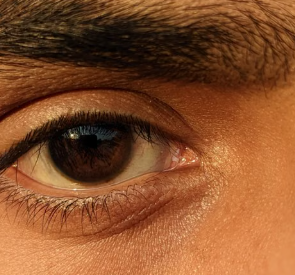
11. Yellowing of the Skin or Eyes
Yellow discoloration of the skin and eyes is known as jaundice.
Why It Happens
The liver normally processes bilirubin, a yellow pigment produced during the breakdown of red blood cells.
When bilirubin accumulates, jaundice may develop.
Symptoms
- Yellow eyes
- Yellow skin
- Dark urine
Jaundice requires prompt medical evaluation.
12. Dark-Colored Urine
Urine that appears unusually dark may be associated with elevated bilirubin levels.
Appearance
- Tea-colored urine
- Dark amber urine
- Brownish urine
Dehydration can also cause dark urine, so medical evaluation is important when symptoms persist.
13. Pale or Clay-Colored Stools
Changes in stool color may reflect problems involving bile production or bile flow.
Signs
- Pale stools
- Gray-colored stools
- Clay-colored bowel movements
Persistent changes should be discussed with a healthcare provider.
14. Difficulty Concentrating
The liver helps remove toxins from the bloodstream.
In more advanced liver disease, toxins may accumulate and affect brain function.
Possible Symptoms
- Brain fog
- Poor concentration
- Memory difficulties
- Mental confusion
These symptoms can have many causes but should never be ignored.
15. Spider-Like Blood Vessels on the Skin
Certain liver conditions may be associated with small, visible blood vessels that resemble spider webs.
Characteristics
- Red center
- Tiny branching vessels
- Commonly found on the chest, neck, or face
While these vessels can occur in healthy individuals, multiple lesions may warrant medical evaluation.
Common Causes of Liver Problems
Several conditions can affect liver health.
Nonalcoholic Fatty Liver Disease (NAFLD)
This condition occurs when excess fat accumulates in the liver.
Risk factors include:
- Obesity
- Type 2 diabetes
- High cholesterol
- Metabolic syndrome
Alcohol-Related Liver Disease
Excessive alcohol consumption can damage liver cells over time.
Viral Hepatitis
Several viruses can infect the liver, including:
- Hepatitis A
- Hepatitis B
- Hepatitis C
Autoimmune Liver Diseases
In some cases, the immune system mistakenly attacks liver tissue.
Certain Medications and Toxins
Long-term exposure to specific medications, supplements, or toxins can contribute to liver injury.
Risk Factors for Liver Disease
Factors that may increase risk include:
- Obesity
- Diabetes
- Excessive alcohol consumption
- Family history of liver disease
- Viral hepatitis infection
- High cholesterol
- Smoking
- Exposure to toxins
Understanding personal risk factors can help guide preventive care.
How to Support Liver Health
While not all liver diseases can be prevented, healthy lifestyle choices can support liver function.
Maintain a Healthy Weight
Weight management may reduce the risk of fatty liver disease.
Eat a Balanced Diet
Focus on:
- Fruits
- Vegetables
- Whole grains
- Lean proteins
- Healthy fats
Limit Alcohol Consumption
Following recommended alcohol guidelines can help protect the liver.
Stay Physically Active
Regular exercise supports metabolic health and may reduce liver fat accumulation.
Use Medications Responsibly
Always follow prescribed dosages and consult healthcare professionals before taking supplements or medications.
Get Recommended Vaccinations
Vaccines are available for certain forms of hepatitis and may help reduce infection risk.
When to See a Doctor
You should consult a healthcare professional if you experience:
- Persistent fatigue
- Unexplained weight loss
- Yellowing of the skin or eyes
- Chronic abdominal swelling
- Dark urine
- Pale stools
- Ongoing nausea
- Easy bruising
Early diagnosis can improve treatment options and outcomes.
Frequently Asked Questions
Can liver disease develop without symptoms?
Yes. Many liver conditions progress silently for months or even years before noticeable symptoms appear.
Are liver problems reversible?
Some liver conditions may improve when the underlying cause is addressed, particularly when detected early.
Can blood tests detect liver disease?
Blood tests can help evaluate liver function, but additional imaging or specialized testing may sometimes be necessary.
Does liver disease always cause pain?
No. Many individuals experience little or no pain during the early stages of liver disease.
Can healthy lifestyle habits help protect the liver?
Yes. Maintaining a healthy diet, staying active, limiting alcohol, and managing chronic health conditions can support liver health.
Final Thoughts
The liver plays a crucial role in overall health, and many liver conditions develop gradually with few obvious symptoms. Recognizing silent warning signs such as persistent fatigue, unexplained weight loss, swelling, itching, dark urine, and jaundice may help encourage earlier medical evaluation.
While these symptoms do not necessarily mean a person has liver disease, they should not be ignored, especially when they persist or occur alongside other health changes. If you have concerns about liver health, consult a qualified healthcare professional for proper evaluation, testing, and personalized guidance.